
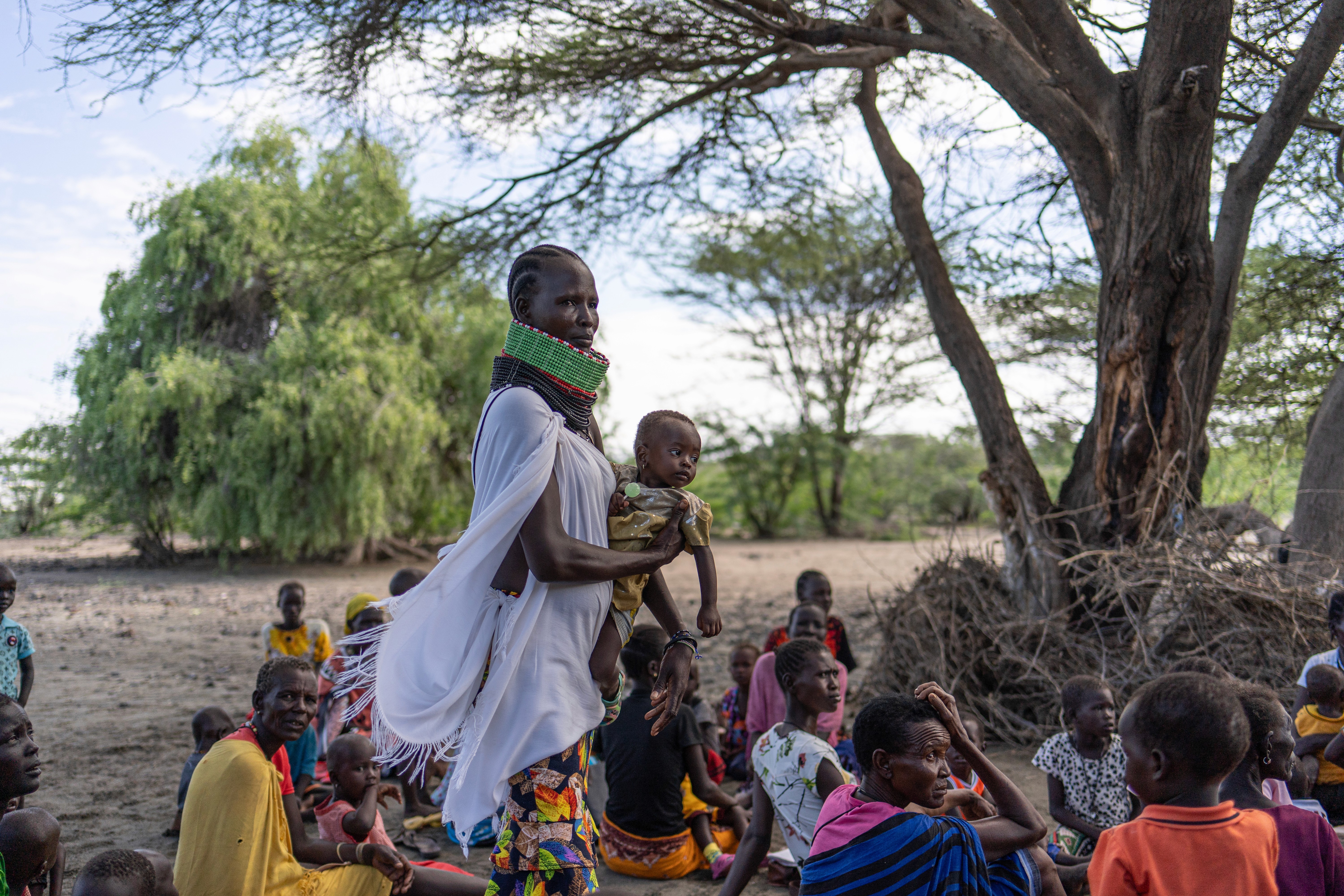
Consent isn't a form. It's a conversation.
A documentary photographer’s take on what changes when consent moves from paper to practice, and what doesn't.
In conversation with Josemarie Nyagah
Multidisciplinary artist and documentary photographer · Working across Kenya, Uganda and the UK
Josemarie Nyagah's documentary work moves between continents and themes: education, climate change, refugee migration, persons with disabilities. We asked her to walk us through one specific change in her practice, the move from paper consent forms to FairConsent, and to be honest about what worked, what took getting used to, and what no tool can answer for any of us. This is the conversation that followed.
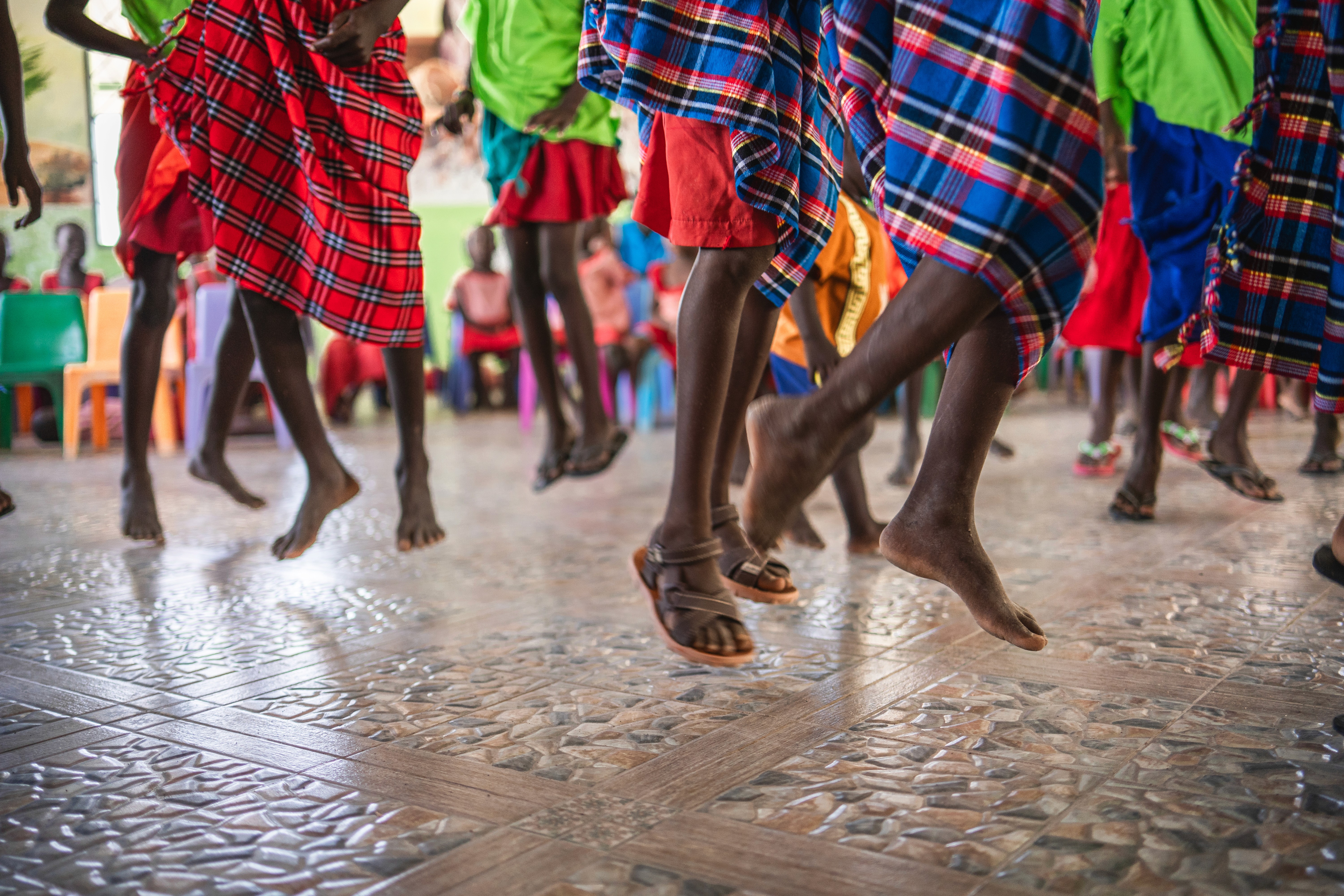
Photography by Josemarie Nyagah. © Josemarie Nyagah / Fairpicture.
The work, and the rule she works by
Before we discussed FairConsent at all, we asked Josemarie about her practice. The answer reaches further than photography. She is a multidisciplinary artist working across photography, painting and ceramics, and her documentary work has carried her between Kenya, Uganda and the United Kingdom; photographing stories on education, climate change, refugee migration, and persons with disabilities.
Her early consent education, she says, wasn't formal. It came through the work.
“I didn't receive formal training on consent early on. Initially, I primarily photographed friends and family for creative projects, where the stakes felt different. Transitioning into professional work for organisations and publications brought a new understanding of what it means to capture an image that will live beyond the subject.”
— Josemarie Nyagah
The rule she has carried into every assignment since is the same one she keeps returning to throughout our conversation: she asks whether the image is one she would want made of herself. Whether the subject would feel proud of how they are represented. Whether the story being told serves them, or only serves the brief.
“I always ask if this is how I would want to be seen. I am careful about the representation of every subject, ensuring they look their best, as I now recognise that consent is a documented necessity in professional storytelling.”
— Josemarie Nyagah
It's a small commitment, written into every step of her process. A typical production with Josemarie begins with a consultation with the client to clarify the story, followed by research into the client's previous work to inform her approach. She prepares a structured shot list, one she expects to shift on the day. On site, she introduces herself before lifting the camera, observes the environment, and makes time. The editing process at the end is long; the conversations at the beginning are longer.
Consent, in this picture, is not an administrative step bolted onto the front of a shoot. It is the practice itself, in slower motion.
Before FairConsent: a paper-based reality
When we asked Josemarie what consent management looked like before FairConsent, the answer was specific. It was paper, and the paper was unforgiving.
“Managing consent used to be a cumbersome, paper-based process. If a production involved 50 participants, I had to manually read forms to each individual, which was exhausting and time-consuming. Language barriers often made the legalistic English forms difficult for subjects to understand.”
— Josemarie Nyagah
Working without an assistant, she was responsible for the entire administrative chain: printing every form, tracking who had signed which one, collecting them, and getting them home intact. On a shoot of any reasonable scale, that workload alone limited how many people she could realistically document in a single day. The arithmetic of paper was an arithmetic of how many stories could be told before the day ran out.
Then there were the harder risks. Paper consent records had no digital backup unless they were scanned immediately, which meant a stray cup of water or coffee could undo an entire shoot's documentation. Informal consent: the verbal kind, the nod, the easy assumption, was worse, because it left no verifiable trail at all.
“Informal consent was even more problematic because it provided no proof of agreement. If a subject changed their mind or later claimed they didn't understand what they were signing up for, there was no verifiable trail. This gap created significant professional and ethical risks for both me and my clients.”
— Josemarie Nyagah
The hardest part of the old workflow, Josemarie says, wasn't logistical. It was epistemological. In contexts where literacy, language or trust create barriers, she relied on body language, visual aids, and translators simplifying complex terms into concepts subjects could see and recognise. Rather than saying “publication,” she would show pictures of where an image might appear. The translation went only so far.
“It is still a challenging process; I often find myself questioning if a subject's agreement is truly informed, especially in power-imbalanced situations like schools. I constantly strive to ensure that the people I photograph understand the long-term public nature of their images.”
— Josemarie Nyagah
And after the shoot, the paper went somewhere. Sometimes to the client, sometimes to her scanner, sometimes both. The tracking gaps emerged later, a client reaching out months on, unable to locate the original record. Keeping her own photocopies was wasteful and inefficient. Proving consent had existed for a specific image, six months down the line, was not impossible. It was just not what the system was built for.
The transition: an honest reflection
Josemarie was introduced to FairConsent during her first assignment with Fairpicture.
She tried the app, she says, because she could see the potential for a faster workflow in the field, and because she was genuinely curious about how the people she photographs would respond to a digital process. Her first impressions, in her own words:
“My first impression was how quickly I could record consent without needing an internet connection. The built-in Swahili audio translation was a revelation; people related to it much like they would a radio broadcast, which built immediate trust. It took some time to get used to the ‘thumbs up’ photo verification instead of a signature, but seeing the data safely uploaded once I got home was a huge relief.”
— Josemarie Nyagah
Three things in that paragraph deserve sitting with. The first is offline operation, which is not a feature in the abstract but a working condition; in environments with patchy data, a tool that requires connection is no tool at all. The second is the audio explanation in the language her contributors already speak, which she compares, instructively, to a radio broadcast. Familiar. Official-feeling. Accessible without being patronising.
The third is the adjustment she had to make to the thumbs-up photo verification, which sits where the signature used to. It took her some time. It is worth noting that she names this clearly rather than glossing it. A real transition includes a real learning curve.
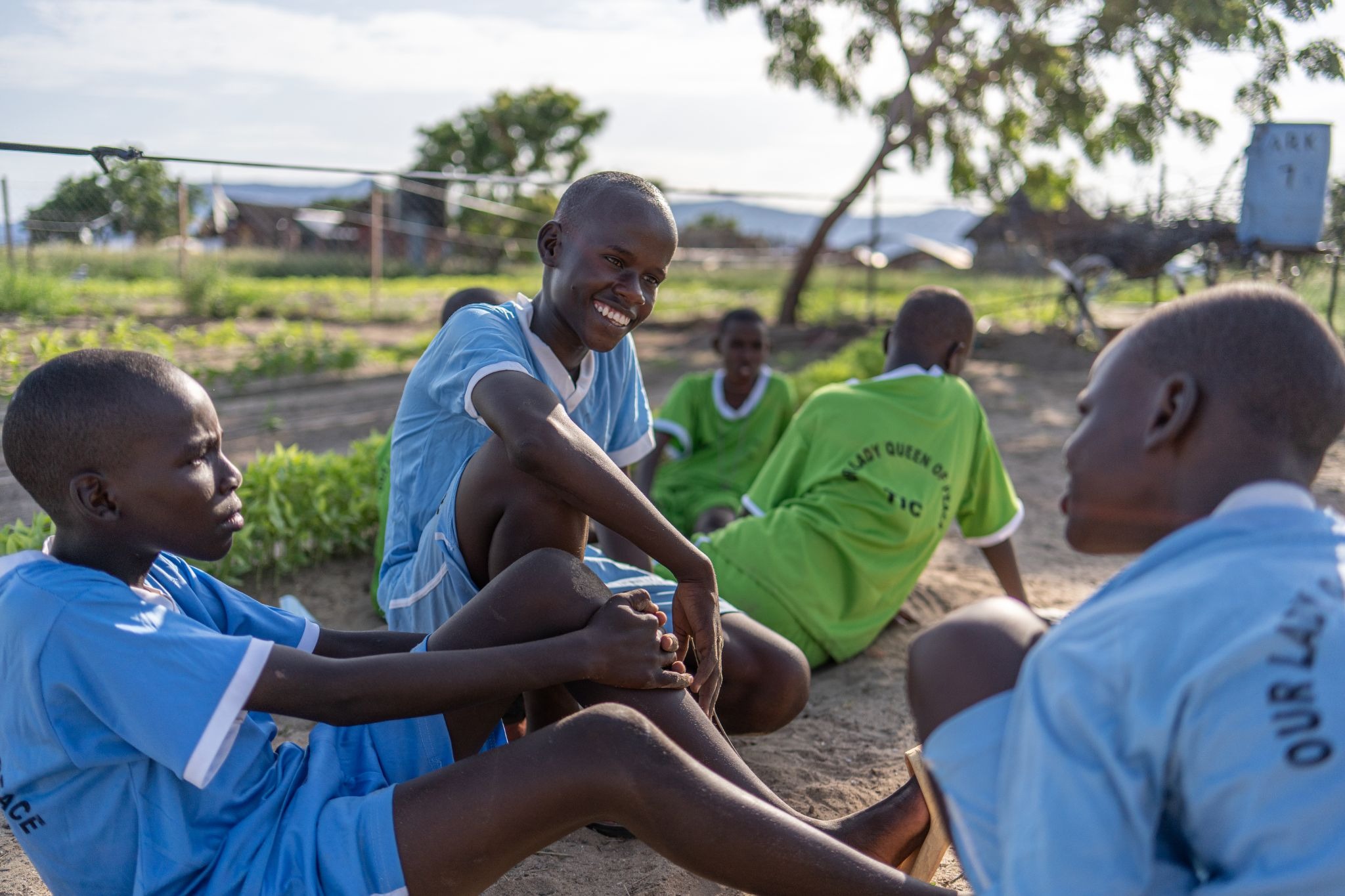
Photography by Josemarie Nyagah. © Josemarie Nyagah / Fairpicture.
The way she introduces the app on site changed how contributors encounter the consent process itself.
“I introduce the app much like I introduce my camera, as a tool for storytelling. In many communities, paper forms can feel intimidating or overly legalistic. The app feels more conversational. People understand that just as I am recording their image, I am recording their details and their ‘yes.’ It removes that barrier of fear and makes the process feel like a shared agreement rather than a daunting legal hurdle.”
— Josemarie Nyagah
The shift from “legal hurdle” to “shared agreement” is small in language and substantial in practice. It is the shift FairConsent was built to support.
On working offline
Josemarie's documentary work routinely takes her into areas where data coverage is unreliable. The offline functionality is, in her words, essential, not only for the consent capture itself but for something more practical: her phone battery, which would otherwise drain in the search for signal. She creates her projects, documents consent, and trusts that everything is saved locally. When she returns to coverage, the records sync. No data lost. No reshoots scheduled because the paperwork didn't survive the journey home.
The difference it makes, in one specific assignment
We asked Josemarie for a specific project where FairConsent's difference was tangible. She gave us one: a community-based organisation of people with disabilities, in rural Kenya. Many of the participants had limited access to technology. In the old workflow, she would have spent hours reading paper forms individually to each person, in legal English, with translation by hand.
“Instead, I played the FairConsent Swahili audio to the group so everyone heard the same clear information. When I moved to individual capture, I just had to ask if they needed clarification.”
— Josemarie Nyagah
It is hard to overstate what this changes. A group audio explanation in the appropriate language allows everyone present to hear identical information at the same moment. The follow-up conversation, the chance to ask questions, raise concerns, decline, sits on top of a shared foundation rather than depending on whether Josemarie remembered to read each paragraph the same way to each person. The verification stage that follows is faster because the comprehension stage was done together.
On that same shoot, Josemarie noticed something about the verification photo. It does more than confirm identity.
“The ‘thumbs up’ photo was also a great indicator of mood; if someone looked uncomfortable in their verification photo, it gave me a non-verbal cue to check in and see if they were truly happy to proceed.”
— Josemarie Nyagah
A consent record that includes a verification photo gives the creator a chance to read the room one more time before the camera comes up.
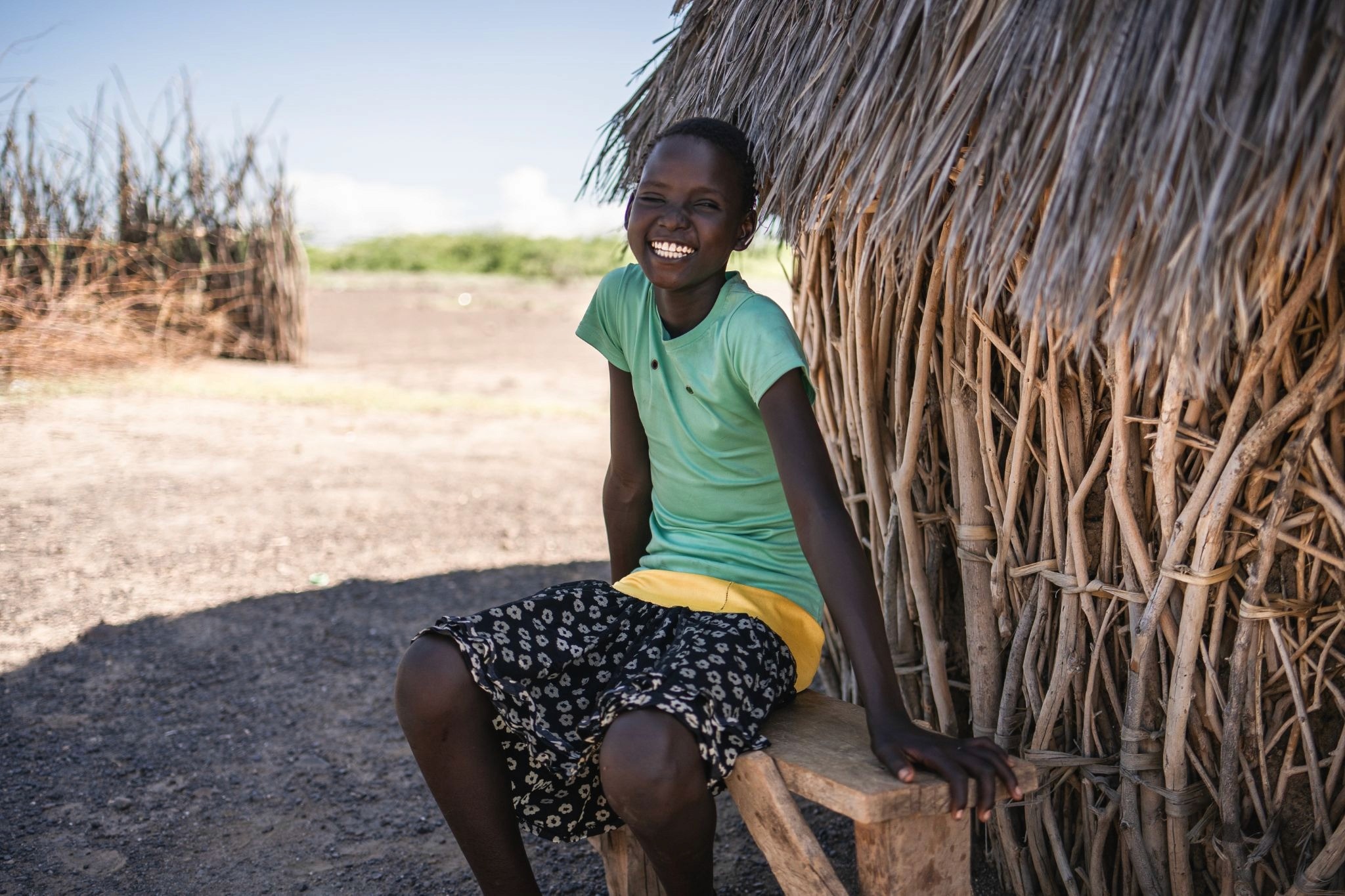
Photography by Josemarie Nyagah. © Josemarie Nyagah / Fairpicture.
What it freed her up to focus on
The time savings are real. Josemarie no longer spends evenings after a shoot scanning paper forms or deciphering handwriting. Names and ages, the small details that paper systems get wrong with quiet frequency are now verified with the contributor in real time, before saving. Errors that used to surface weeks later, or never, don't make it into the record in the first place.
“This efficiency allows me to focus more on the creative and human side of the shoot rather than the administrative burden of paperwork.”
— Josemarie Nyagah
What it changed with clients
Most clients are surprised, at first, by the absence of physical forms. Josemarie has had this conversation many times now. Once she explains how the digital storage works, and how the records can be shared with them almost immediately after a shoot, the surprise becomes appreciation. The records arrive verified. There is nothing to double-check.
“The fact that the subject's photo is directly linked to their consent record means there is never any confusion about who signed what. This level of verification protects everyone involved by ensuring that the person in the image and the person who gave consent are undeniably the same.”
— Josemarie Nyagah
She has not faced a legal challenge to a specific record yet. We hope she doesn't. But she describes the peace of mind plainly: the consent record and the image are linked, structurally. There is no ambiguity about who agreed to what.
The human and ethical dimension
Josemarie's most important reflections came at the end, and they are not really about FairConsent at all. They are about what visual storytelling owes the people it documents, in an era when authenticity is harder to verify and easier to forge than at any point in the medium's history.
On trust, transparency, and the power gap
“Managing consent transparently eases the storytelling process and deepens trust. As a storyteller, I constantly question whether I have captured a person's story in its truest form. That it is genuine and not exaggerated. The process of ensuring subjects fully understand why I am telling their story, by hearing from them first about what the experience means, has transformed our relationship.”
— Josemarie Nyagah
Josemarie also makes a point we want to highlight, because it is the substance of fair practice and it is too often skipped. She tells the people she photographs that they have a clear path to withdraw their consent at any time, that they can contact the commissioning organisation to have an image or story removed from online or archived files. The commitment is small to state, harder to honour, and decisive in bridging the power gap inherent in visual storytelling.
She has one practical advocacy: more seamless ways to share the final story with the subjects themselves. A printout of the publication. A copy of the article. Some closure of the loop that the consent form, however well-designed, cannot itself provide.
On AI, authenticity, and what consent must mean now
“In the age of AI and eroding visual trust, ethical informed consent means ensuring we are not telling stories merely for the sake of it. It requires extreme clarity, now more than ever, on where a subject's documented story will live online and how it genuinely supports the organisation's mission or reporting.”
— Josemarie Nyagah
Two threads run through this. The first is the rising risk: AI-generated images and the ease with which images can be misused or stolen from the web make the long-term life of an image less predictable, and the consent that accompanies it more consequential. The second is the harder question, which Josemarie asks aloud: whether there are stories that would be better told without attaching a person's image or likeness at all.
“Ethical storytelling moves beyond simply obtaining a signature; it demands a deep understanding of the long-term implications of sharing that person's story and image.”
— Josemarie Nyagah
We do not think any tool answers this question on its own. FairConsent is not built to be a substitute for editorial judgement, organisational integrity, or the conversation that should precede every assignment. It is built to make the foundation of that judgement legible, to make consent visible, durable, and verifiable, so that the harder questions sit on top of evidence rather than assumption.
Her message to those still on paper
“I would tell them that while paper-based consent was once the norm, we now have significantly better tools that address the realities of our digital age. There was a time when we didn't have to worry as much about how information lives online, but today, with the speed of data capture and the rise of AI, a manual system is inefficient and risky.”
— Josemarie Nyagah
What fair visual storytelling means, beyond the tools
“Fair visual storytelling means being deeply cautious about how I represent someone's narrative and involving them in the process of the telling of their story. My guiding question is always: am I telling this person's story in a way that would make them feel proud, that they would want to share with their friends and family, or am I merely documenting for the client's sake? The core of my approach is to treat the person's story with the same respect and care I would give to a story involving my own family or friends.”
— Josemarie Nyagah
In closing
We started building FairConsent because the paper-based consent workflow that defines so much of the international NGO and media sector is no longer adequate to the moment. The risks have changed. The communities being documented deserve better. The visual creators doing the work, photographers like Josemarie, working across borders, languages, and contexts every assignment, deserve a tool that respects how the work actually happens.
Josemarie's interview reflects on something we already knew, and something we needed to hear again: the tool is not the practice. The practice is the practice. FairConsent exists to make the practice easier to do well, harder to do badly, and possible to verify when questions are asked of it. That is a useful role. It is not a heroic one.
We are honoured to work alongside visual creators like Josemarie Nyagah, and grateful to the communities across Kenya, Uganda and beyond whose trust makes this work possible. This article is part of our ongoing effort to make ethical visual storytelling more legible, more durable, and more accountable to the people in front of the lens.
About Josemarie Nyagah
Josemarie Nyagah is a multidisciplinary artist working across photography, painting, and ceramics. Her documentary photography focuses on storytelling for various organisations, covering themes including education, climate change, refugee migration, and persons with disabilities. To date, her work has taken her across Kenya, Uganda and the United Kingdom.
About FairConsent
FairConsent moves organisations from fragmented paperwork to a unified digital ecosystem for informed consent. GDPR-by-design, it is built for global NGOs and international organisations, it brings consent collection, storage, proof and rights together in one secure platform designed for field realities and compliance alike.
Your teams collect informed consent with the FairConsent App, offline, in over thirty-six languages, with verifiable records that link each agreement to the person who gave it. Everything else happens on the FairConsent Platform.
To explore FairConsent or arrange a demo for your team, visit
https://consent.fairpicture.org/enterprise .
Credits
Photography by Josemarie Nyagah. © Josemarie Nyagah / Fairpicture.