

Before Sunrise: A Story Begins
The sun had not yet risen over Lake Kivu when I got to the shore. It was 2022, and I was on a FAIRPICTURE assignment for the Swiss Tropical Institute in the Western Province of Rwanda. I was covering a story for the Nutrition in City Ecosystems (NICE) project, which connects the demand and supply sides of food systems in two secondary cities in Rwanda, including Rubavu. My contact, a small-fish vendor, was still on her way. I needed context photographs of fishermen who catch small fish in Lake Kivu. Without them, the story would not be complete.
The fishermen had already come back, and the night had not been kind to them. They had not caught enough. Too many people depend on the fish. Fishermen, vendors, and the women who pick the fish from the nets all get paid for that work, and on a bad night there is simply less to go around. What they keep for themselves are the small torn fish too damaged to sell but still good enough to bring home and feed their children. That morning there were not many of those either. People were tense, murmuring among themselves, doing the maths in their heads. Some were already gathering their things to leave.
But the light was something else entirely, that soft, flat light that only shows up in the few minutes before the world fully wakes up. As a photographer, my problem seemed very small next to theirs. I had my camera. I had my consent forms. And I had a problem: people.
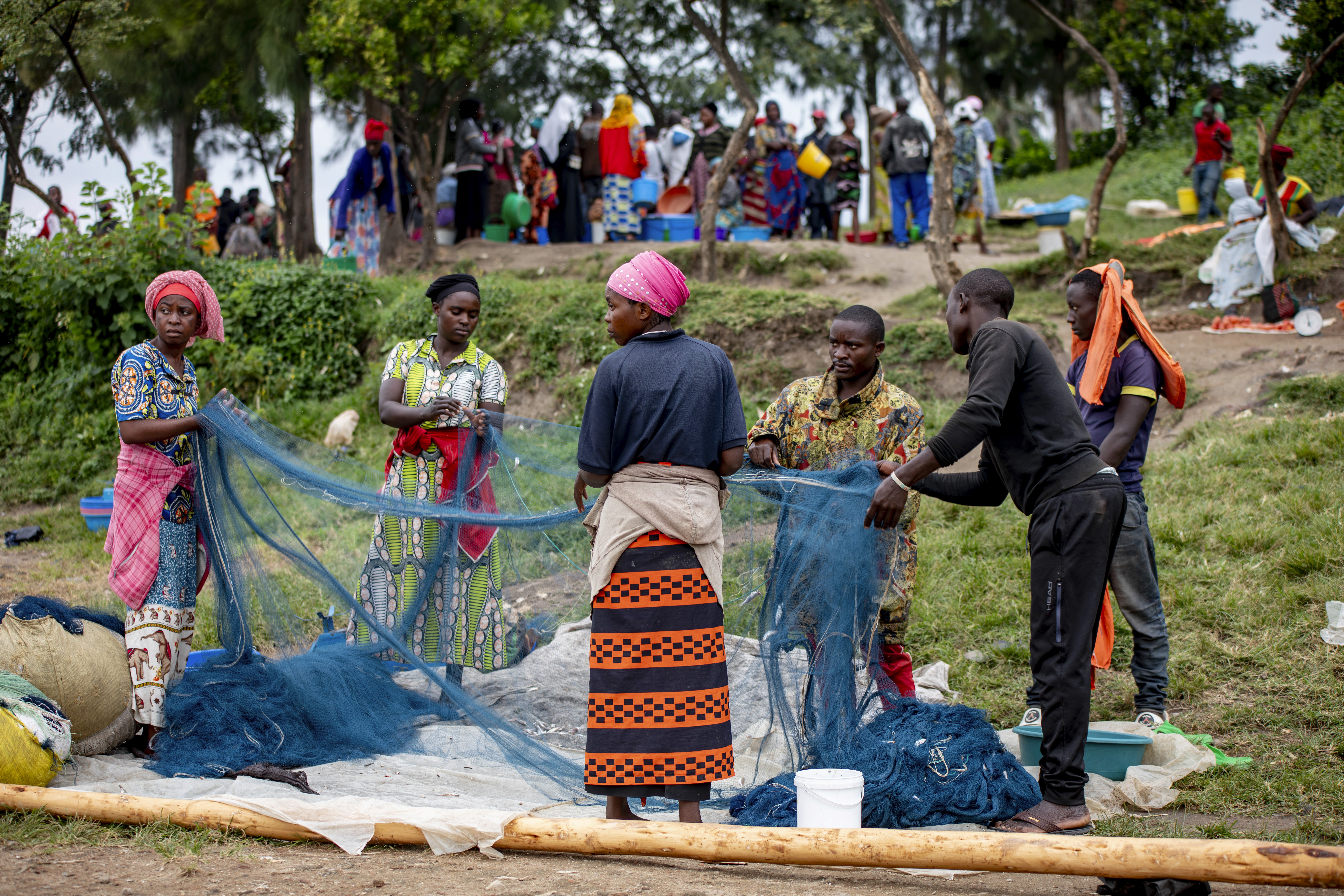
© Alice Kayibanda.2022.Swiss TPH / Fairpicture
Why "No" Matters
There is a particular kind of anxiety that comes with asking someone to sign a consent form in a place where trust in visual media runs low. In Rwanda, a camera is not a neutral object. It carries history.
Images have been taken again and again by journalists, researchers, and well-meaning strangers, and some ended up alongside text that put the people in them in danger. The distrust was learned through hard experience. People have every right to say no. We owe our collaborators respect: not pressure, not impatience, and never the assumption that access is something we are owed. A consent form, often written in a language that is not the person's first, asks someone to trust a stranger with their image, their name, and their story.
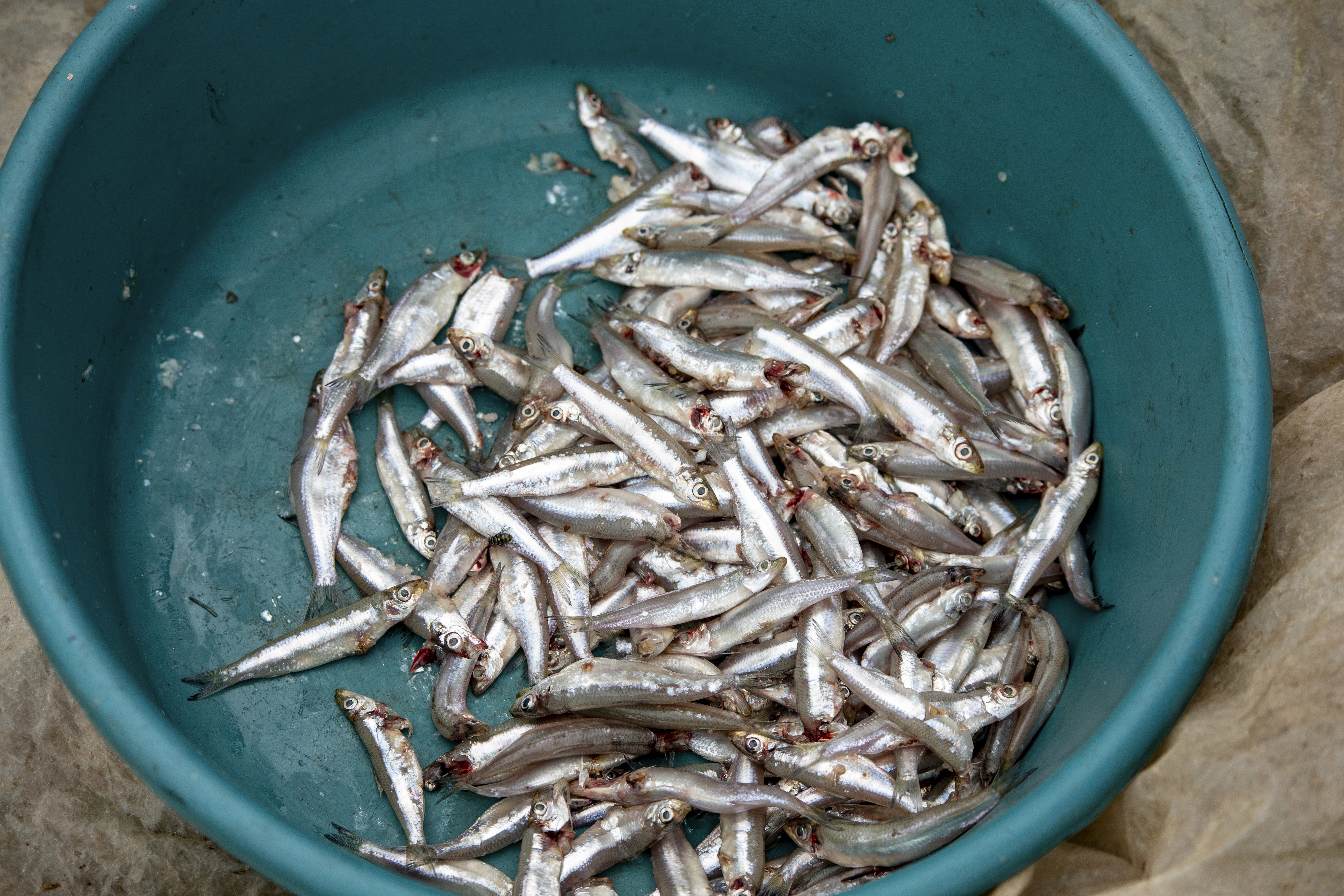
© Alice Kayibanda.2022.Swiss TPH / Fairpicture
When Consent Becomes Paperwork
That morning I moved from group to group along the shore. I explained that I wanted to take photographs for the nutrition project in Rubavu. Each group listened, and each group said no. The light was not going to wait, and I was running out of time.
Then one group who had declined said yes. I took photos fast, then scribbled names and phone numbers, trying to get everything down before heading on. Some women gave me their neighbour's number because they had no phone themselves. The paperwork that was supposed to protect people had turned into its own small chaos. I left with images worth the whole anxious morning, but I knew those forms would take days and many phone calls to sort through.
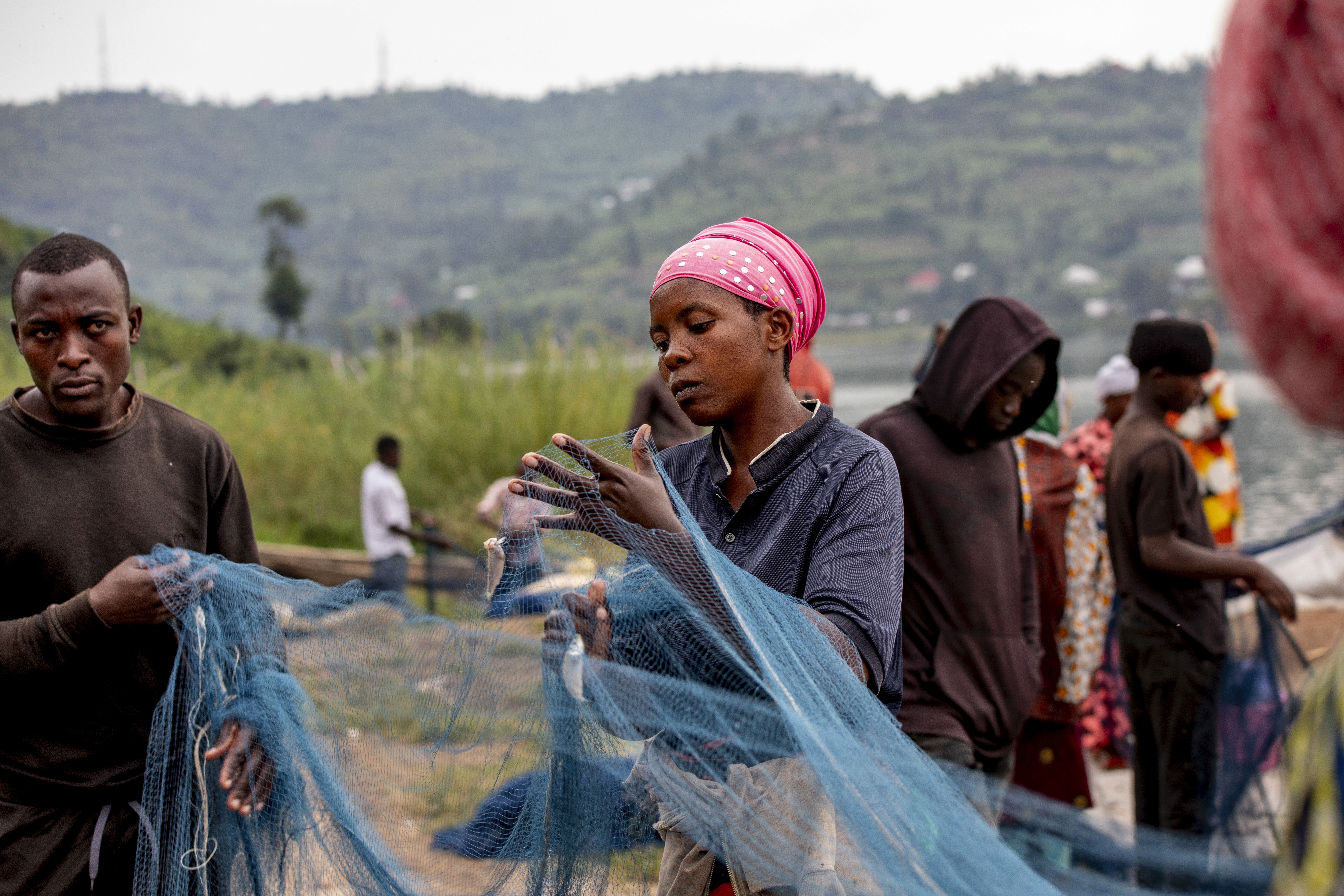
© Alice Kayibanda.2022.Swiss TPH / Fairpicture
A Different Way to Ask
The shift came this year when I downloaded FairConsent. What struck me first was how fast it is. You just need a phone. You record the information on the spot, walk the person through it, and share it with your client straight away. No lost pages, no mismatched names. I sit with each person and caption at the same time, while the moment is still fresh. My collaborators embraced it more readily than the usual papers.
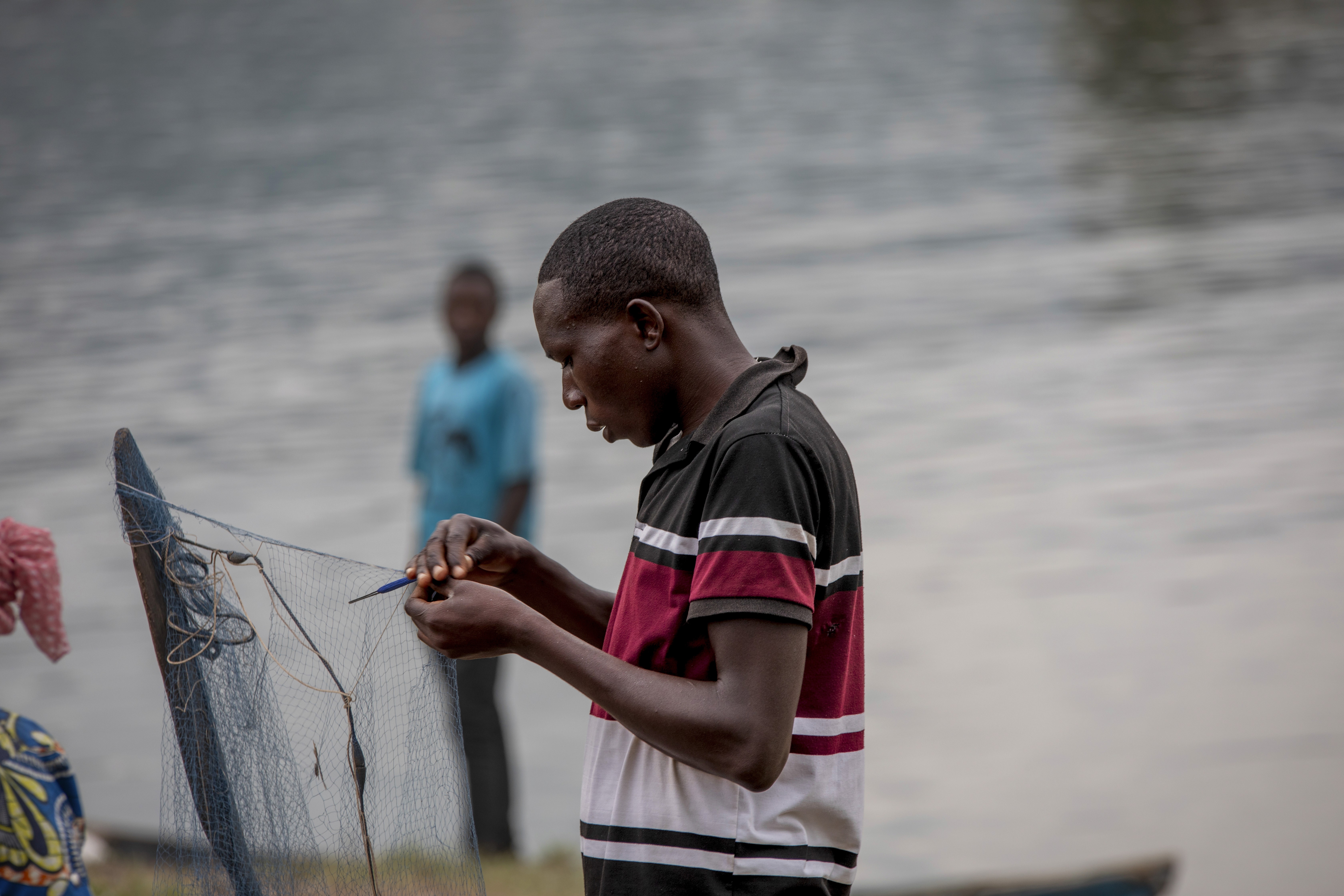
© Alice Kayibanda.2022.Swiss TPH / Fairpicture
Consent Is a Conversation
But that is not really the point. Consent is the conversation you have before you ever raise your camera. The art is not in getting people to say yes. It is in making sure they understand exactly what they are saying yes to. The transaction becomes a conversation, and a conversation, unlike a contract, can build something. It is how strangers become collaborators, and how collaborators become part of a story that was never only yours to tell.
Credits
Photography by Alice Kayibanda/Swiss Tropical and Public Health Institute/Fairpicture